Los Angeles County, California
Interior door repair, adjustment and replacement in Los Angeles
A door that sticks, catches or won't latch without a shove is one of the most common jobs in LA homes, and it's almost never the door's fault. In a house that has been settling for sixty or seventy years, the opening moved and the door didn't. Tell us which door and what it's doing, and you'll get a price for the visit before anything is scheduled.
The price in writingAgreed before anything is scheduled
One visit, several jobsThe drive costs the same either way
No surprise when we arriveThe number holds unless the wall says otherwise
Across Los Angeles CountyFrom the Valley to the South Bay
What the job looks like
Interior door repair, adjustment and replacement, close up
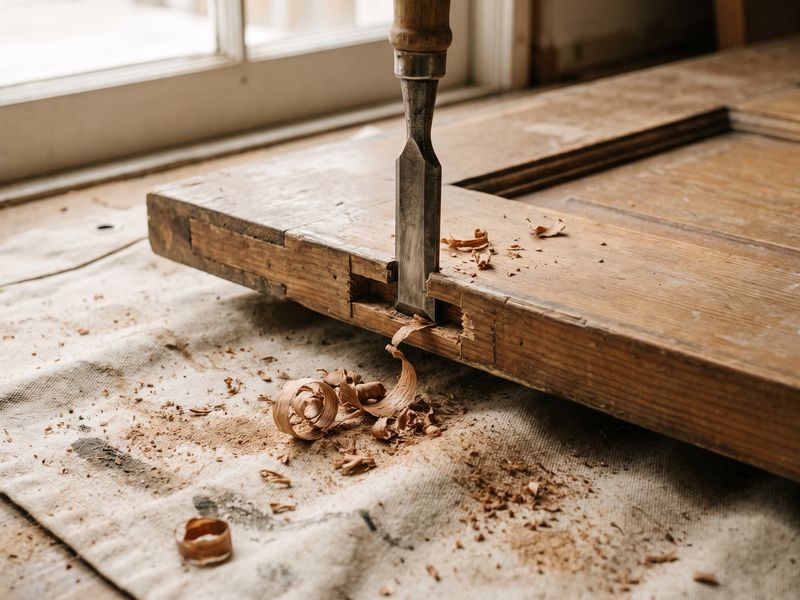
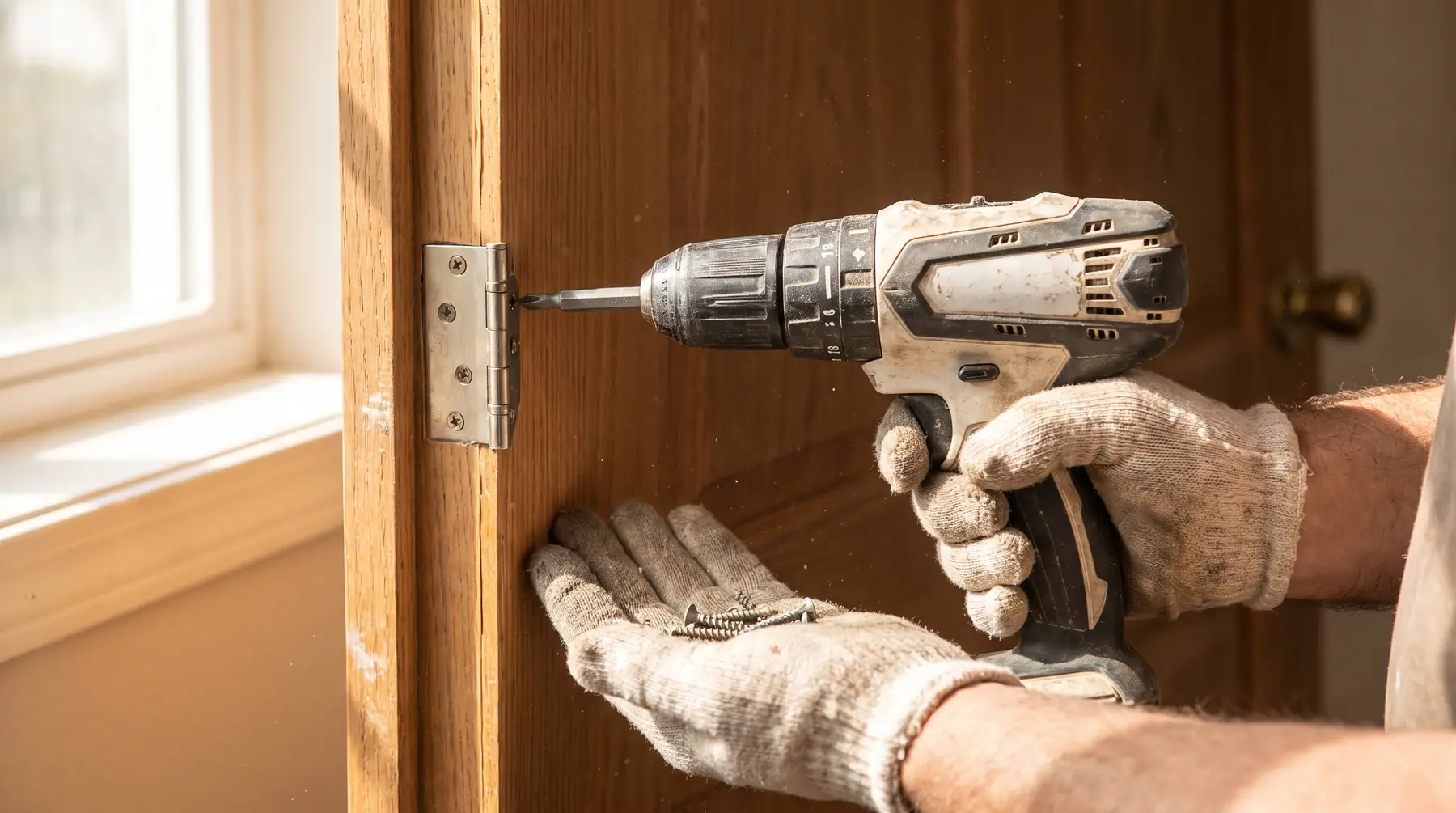
Most sticking doors are a hinge problem, so the fix is usually at the edge and not the face. 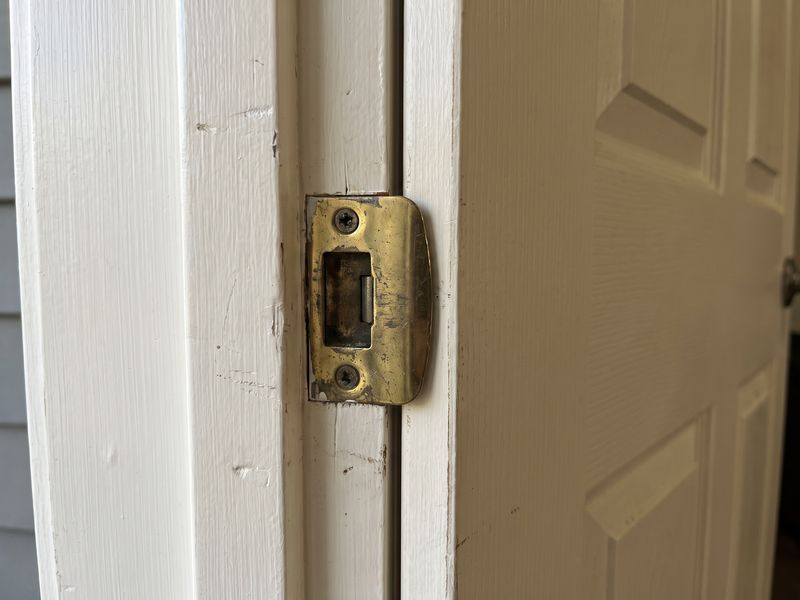
A latch that will not catch is often the strike plate a fraction of an inch out of line. 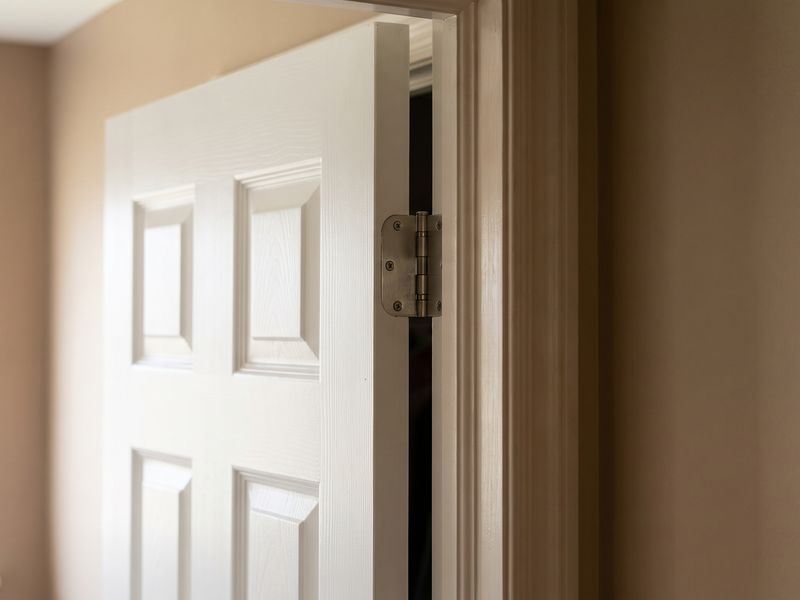
An even gap all the way around is the thing to look for when it is finished.


From our advice notesWhy a hollow-core door won’t latch, and how to fix it

In LA, the door usually isn’t the problem
A lot of LA houses have had decades to settle. Foundations shift, framing moves with them, and an opening that was square in 1954 isn’t square now. The door is still a flat rectangle. The hole it sits in has changed shape around it.
That’s why planing a quarter inch off the door edge is usually the wrong first move. It’s permanent, and if the frame keeps moving you’re back where you started with a smaller door. We read the gap all the way around the door first. The pattern of that gap tells you which corner has dropped and what needs adjusting.
Sticking and rubbing doors
Where the door rubs tells the story. Rubbing at the top of the latch side usually means the top hinge has loosened and the door has sagged. That’s often fixed by driving longer hinge screws that reach past the jamb into the framing behind it, pulling the door back into position. Rubbing along the bottom can be a swollen door, a settled frame, or new flooring that went in higher than the old.
Doors that won’t latch
If you have to lift or lean on a door to close it, the latch and the strike plate have stopped lining up, usually by an eighth of an inch or less. The fix runs from filing the strike opening, to moving the strike plate and filling the old screw holes, to shimming a hinge. Finicky work, and fast in experienced hands. A worn latch or loose handle can be swapped the same visit.
Knobs, handles and locks
A loose knob or lever is usually a set screw or a worn spindle, and a handle that has stopped springing back is a worn latch. Both get swapped like for like, in the same visit as the rest of the door work, and so do privacy locks on bedroom and bathroom doors. A new deadbolt, or a strike reinforced on an outside door, is on the home safety list.
Jambs and door frames
A split jamb, a strike side that has been kicked in, or a frame rotted at the base from water gets repaired or pieced in before the door is rehung. Where the whole frame is out of square, a pre-hung door is usually the better answer, and that is below.
Sagging closet and bifold doors
Bifolds and sliding closet doors drift out of alignment more than anything else in the house. The track hardware is light and the pivots wear. Usually the fix is adjusting the top pivot bracket, replacing a cracked pivot or roller, and re-hanging the panels so they close flush. If the hardware is original and discontinued, a new set is sometimes cheaper than chasing parts. A glass patio slider that drags or will not lock is a heavier version of the same job. It runs on rollers and a track of its own, and sliding door repair covers it.
Replacing an interior door
There are two versions of this job and the difference drives the price. A slab replacement reuses your existing frame and hinges, with the new door trimmed and mortised to match. It’s cheaper, and it’s right when the frame is sound. A pre-hung door brings its own frame, gets shimmed plumb into the rough opening, and the trim gets replaced. That’s the answer when the frame is out of square or rotted at the base.
Older LA homes add a wrinkle. Original doors and openings often aren’t standard sizes, so a stock slab may not fit without modification. Measure the opening before you write in: height, width, and the thickness of the existing slab. Anything that isn’t a standard 80-inch height, or a slab thinner than the modern 1-3/8, changes the job.
If your house was built before 1978, the paint on the door and jamb may contain lead, so sanding or stripping it isn’t a casual job. Tell us the age of the house when you describe the door. It changes how the surface can be prepped, and it changes the price.
What it costs
These are estimates. Doors vary more than most jobs. A hollow-core slab in a square frame and a solid door in a settled 1920s opening are two different afternoons. You get a firm price for your door before any work is scheduled.
- Adjusting a sticking door or strike plate$95–$200
- Hinge repair and re-hanging a sagging door$120–$250
- Bifold or closet door realignment or hardware swap$120–$300
- Interior slab replacement, door supplied by you$180–$400in labor
- Pre-hung door, set and trimmed$350–$700in labor
Who needs a license
Most door repairs and adjustments come in well under $1,000. But price is only one of the conditions, so a small number on the invoice doesn’t by itself tell you the exemption applies. A whole-house door replacement, or a job that turns into framing work, reaches $1,000 on price alone, and when it does, it is work for a licensed contractor, not a handyman visit.
Send the doors as one list
Door work is priced by the visit as much as by the door. Most of these fixes take twenty minutes to an hour once we are standing in front of them with a chisel, a shim and a screw gun, so a single sticking door can cost close to what three of them cost on the same trip. Walk the house before you write. The bedroom door that catches in August, the closet bifold that jumps its track, the bathroom door you have to lean on to shut. Send them together, with the age of the house and which way each door swings, and you get one price for the visit before anything is scheduled.
Where we work
Across Los Angeles County
What the walls are made of changes street by street in this city, and it changes the job.

Send us the list
However long it is. You get a price for the visit before anything is booked.