Los Angeles County, California
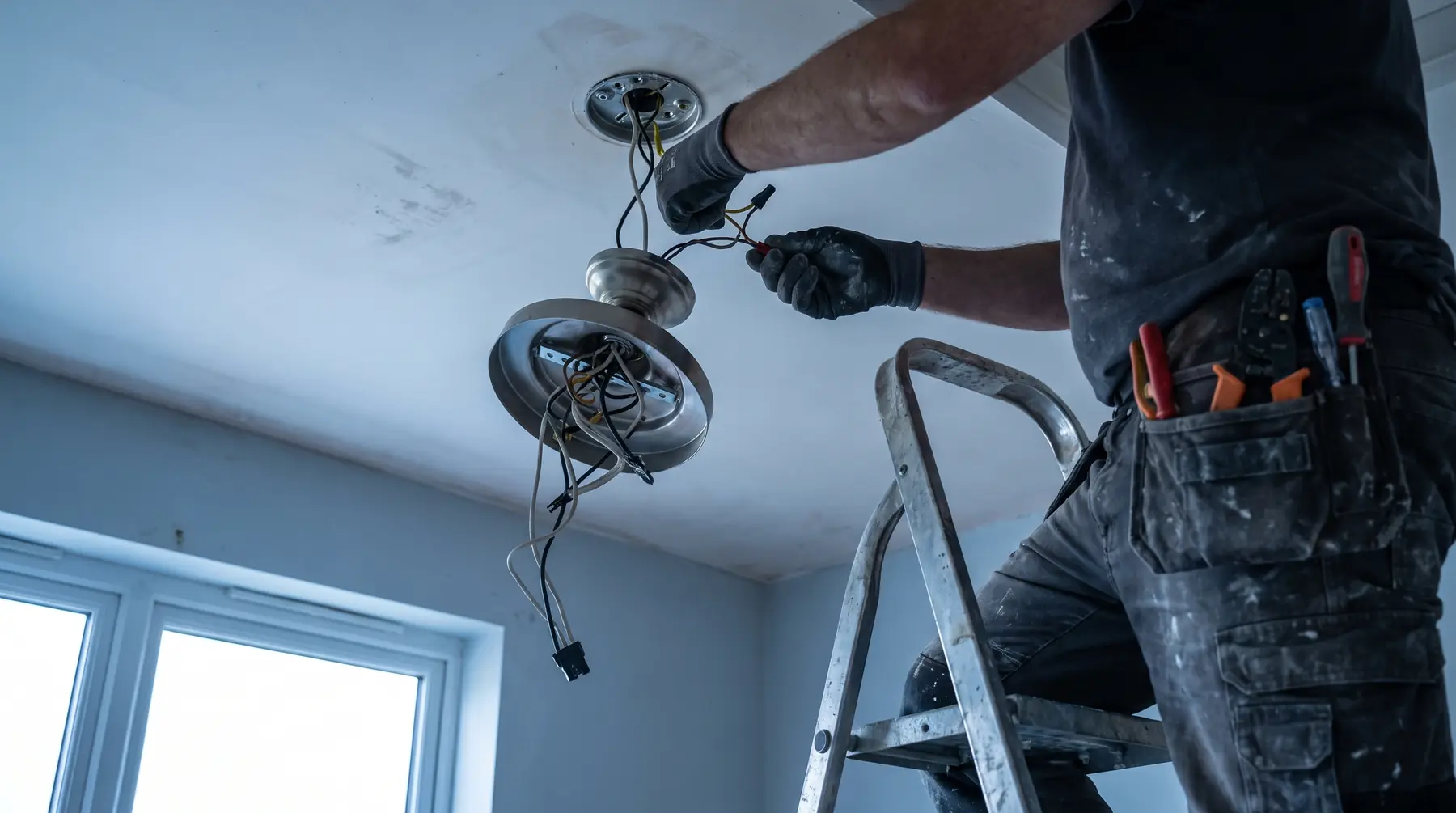
Ceiling fan and light fixture installation in Los Angeles
Swapping a light fixture or putting up a ceiling fan is one of those jobs that sits on the list for a year and takes an afternoon. Most of what decides the price is behind the ceiling: whether the box is rated to carry a fan, and what the wiring in an older LA house turns out to be. Tell us what's going up and where, and you'll get a price before anything is booked.
The price in writingAgreed before anything is scheduled
One visit, several jobsThe drive costs the same either way
No surprise when we arriveThe number holds unless the wall says otherwise
Across Los Angeles CountyFrom the Valley to the South Bay
What the job looks like
Ceiling fan and light fixture installation, close up
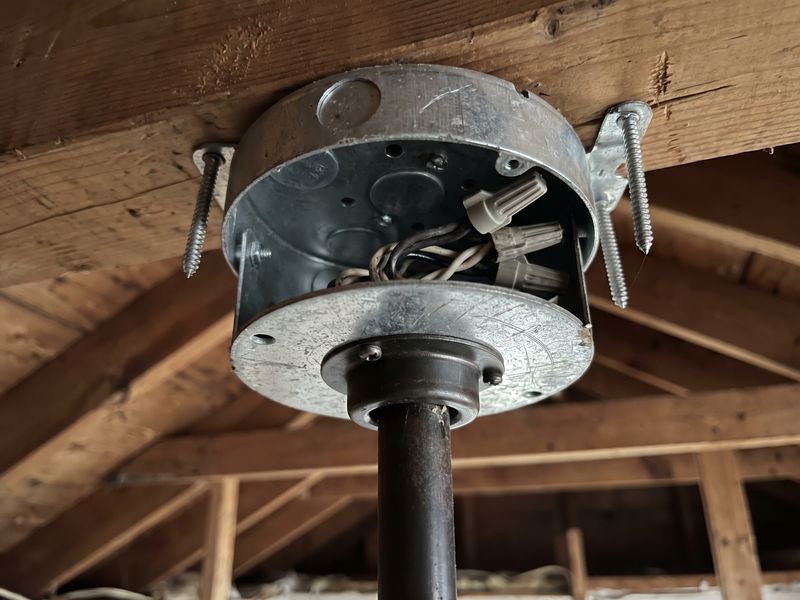
A fan needs a fan-rated box fixed to framing. A light box will not hold a moving load. 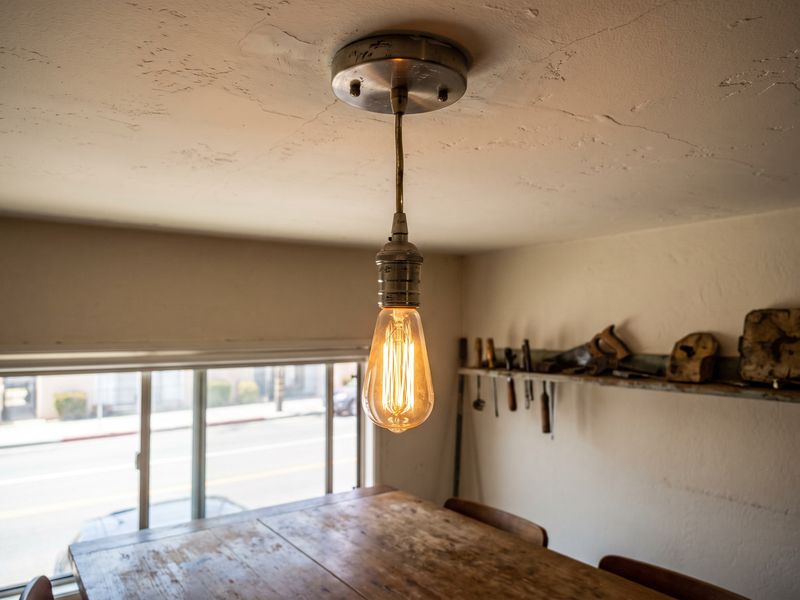
Swapping a fixture where a box and wiring already exist is straightforward work. 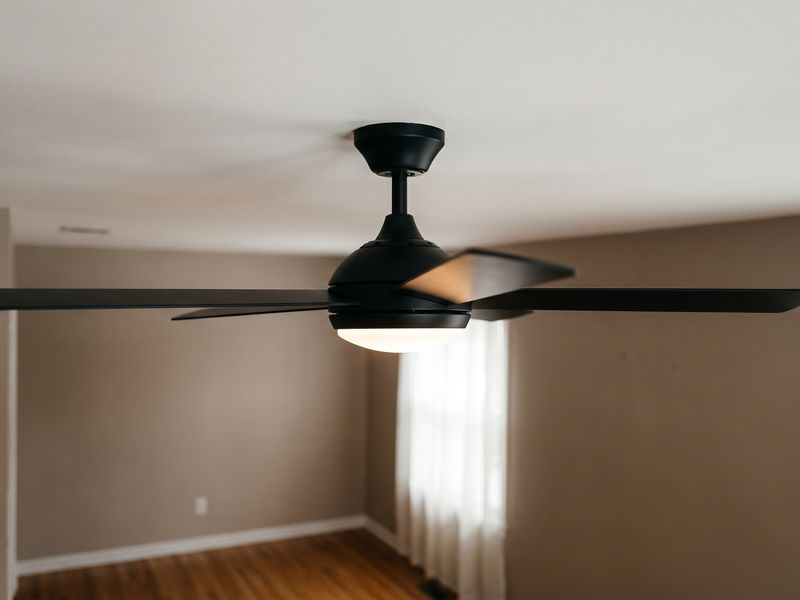
Putting a fan where a light used to be is the version of this job that needs checking first.


From our advice notesWhy a ceiling fan wobbles, and when it is safe to fix it yourself

Where the line sits between handyman work and electrician work
This is the part that decides whether it is a handyman job, so here it is plainly.
Usually handyman work: replacing a fixture where a ceiling box and wiring already exist. Taking down an old flush mount and putting up a new one. Swapping a fixture for a ceiling fan. Hanging a pendant or a chandelier from a point that is already there. A fan that has died gets a new one in the same spot. Installing a dimmer where a switch already controls that light.
Licensed electrician work: running a new circuit. Adding a ceiling point where there isn’t one. Moving a switch to a different wall. Adding a switch loop so a fan and light work separately. Anything at the service panel, including a new breaker. Anything where you have seen scorching, smelled burning, or the breaker keeps tripping.
If your job is on the second list, it belongs with a licensed electrician. We say that up front, so you do not find out halfway through. Nobody should be talking you into believing panel work is a small job.
The ceiling box is what usually stops a fan job
A ceiling fan doesn’t just hang there. It wobbles and shakes for years. So it has to go on a box rated for fan support, marked as such, and fixed to the framing or to a brace between joists. A standard lighting box is rated to hold a light fixture and nothing more. It is not safe for a fan, no matter how well the screws go in.
This is the most common reason a fan install stops halfway. The old fixture comes down, the box behind it turns out to be a plain plastic lighting box, and it has to be replaced before anything goes up. If you can get at the ceiling from an attic, that is usually straightforward. If you can’t, it may mean opening a small patch of ceiling and repairing it afterward. Budget for that happening.
Older LA homes and the missing ground wire
In a lot of older LA housing you find two wires at the ceiling box and no ground. That is not automatically a problem, and there are correct ways to handle it. We tell you what we have found before going any further, and we do not twist the wires together and move along. If the box is metal and the wiring is old cloth-covered or knob-and-tube, stop and get an electrician.
Sloped ceilings, high ceilings and heavy fixtures
A vaulted or sloped ceiling needs a fan rated for the angle, or a sloped-ceiling adapter and a downrod. Not every fan will do it, so check the box before you buy. High ceilings in a two-story entry mean scaffolding or a tall ladder, and that adds time and cost. Heavy chandeliers have their own weight limits and often need a support brace. Tell us the ceiling height and keep a photo of the ceiling handy for when we call, and the price that comes back will be a real one.
Ceiling fan repair
Not every fan needs replacing. A wobble is usually loose screws, a blade out of balance or a bracket that was never tightened, and those get fixed on the ladder. A pull chain or a light kit that has stopped working is often the switch inside the housing. A fan that hums or grinds may have a worn motor, and we will tell you whether it is worth repairing. If the canopy moves when you push the fan, the box above it is the problem, and that gets checked before anything else.
A bathroom exhaust fan is the same kind of job: a like-for-like swap where the duct and the wiring are already there. Why a ceiling fan wobbles, and the fixes to try first.
What it costs
These are estimates, not quotes. You get a real price before any work starts. Fixtures are usually supplied by you.
- Straight fixture swap, standard ceiling$100–$200
- Ceiling fan replacing an existing fan$150–$300
- New fan where a light fixture was, box replacement included$250–$450
- Chandelier or heavy pendant, standard ceiling$200–$400
- High or sloped ceilingadd $75–$200for access and hardware
When a license is required, and why we tell you about it
A single fixture or fan swap usually comes in well under $1,000. Price is only one of the conditions though, so it doesn’t settle the question on its own. A set of fans through a whole house, or anything involving new wiring, is past what the exemption covers. That is licensed contractor or electrician work. Most homeowners have never been told any of this, so it is on the page.
What to tell us when you get in touch
Tell us what you are hanging, how high the ceiling is, and whether a fixture is already in that spot. If you know the box behind it was replaced at some point, or that the ceiling is sloped, say so. Keep a photo of the ceiling and the old fixture handy for when we call. It answers most of what we would otherwise have to ask. You get a clear price before any work starts.
If two or three other small jobs have been waiting, put them in the same message. A closet rod pulling out of the wall. A door that won’t latch. A smoke alarm chirping. One visit that covers four small jobs almost always costs less than four visits, because most of what you pay for on a job this size is the trip there, not the twenty minutes on the ladder.
Where we work
Across Los Angeles County
What the walls are made of changes street by street in this city, and it changes the job.

Send us the list
However long it is. You get a price for the visit before anything is booked.