Los Angeles County, California
Small handyman jobs across Los Angeles County
Most homes have a list. The TV still leaning against the wall a year after the move. The bedroom door that catches on the frame every single time. The closet shelf that came down and never went back up. The flat-pack dresser sitting in its box in the garage.
The price in writingAgreed before anything is scheduled
One visit, several jobsThe drive costs the same either way
No surprise when we arriveThe number holds unless the wall says otherwise
Across Los Angeles CountyFrom the Valley to the South Bay
What goes on the list
The jobs, and what they look like done
Most visits are several of these at once, and the drive costs the same either way.


Why it matters what your wall is
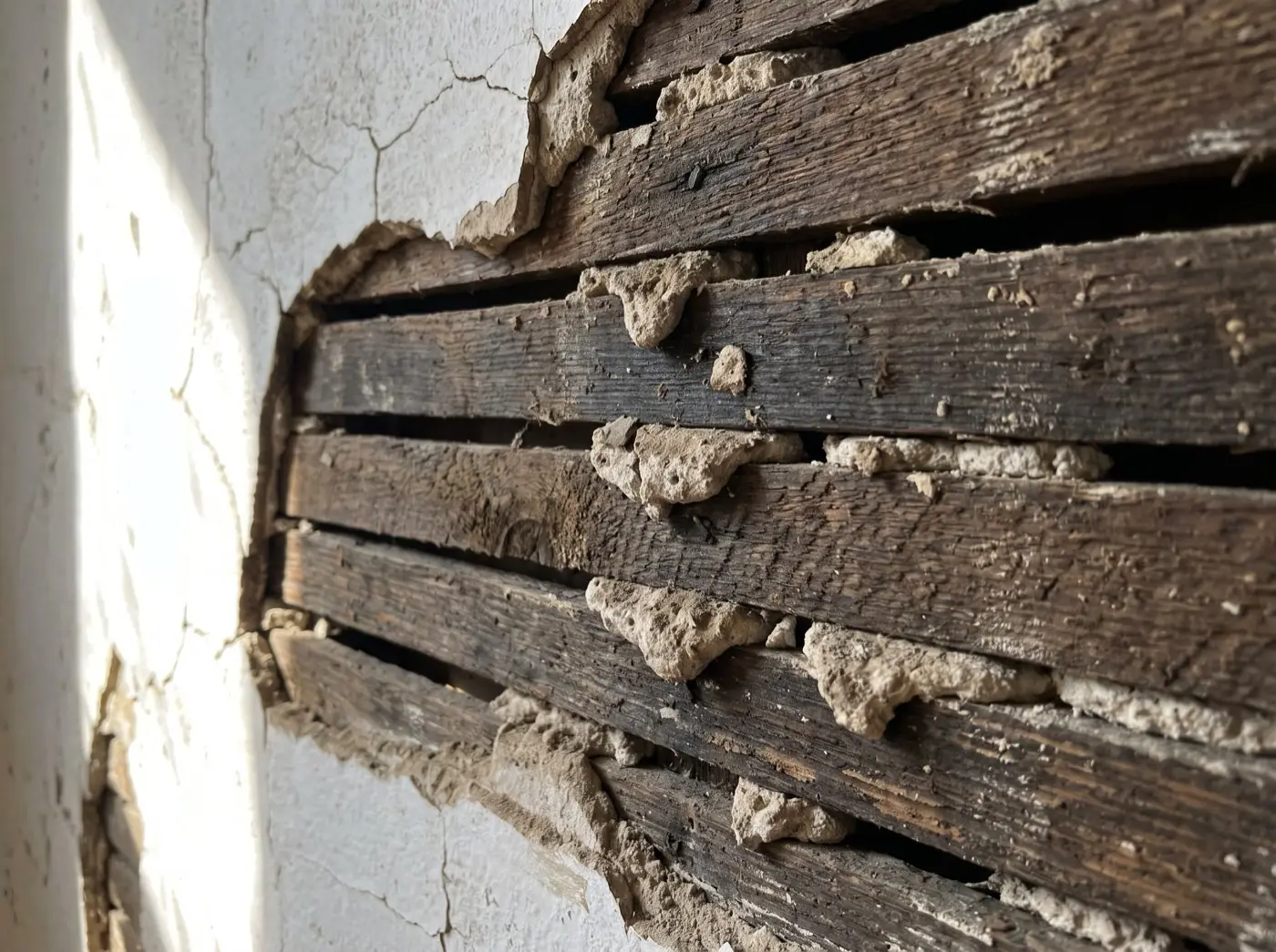
Older LA houses are often plaster over wood lath
In a pre-war house the wall is often not drywall. Plaster is brittle at the face and the keys behind the lath let go under load, so a heavy bracket driven in fast can blow out a section well beyond the four holes that were drilled.
The anchors in the box with a mount for a 65-inch screen are rated for drywall, not for this. The knuckle test settles it: drywall sounds hollow and flexes, plaster sounds hard and flat.
None of it is a big job. That’s the problem. Finding someone dependable for two hours of work is somehow harder than finding a contractor for a whole remodel. The good people are busy with bigger tickets, calls don’t get returned, and half the time you’re not even sure what trade to ask for.
We do a short list of small jobs. Two-hour repairs and installs, the kind a remodel crew won’t schedule and a specialty trade won’t bother quoting. We keep the list short on purpose. So you know what you’re getting, and we know what we’re bringing, before anyone drives across town.
The twelve jobs on the list
This is the whole menu. If your job is on it, you’re in the right place, and two or three questions is usually all it takes. If it isn’t, keep reading. There’s a section below on what we don’t take on.
Walls, ceilings and hanging things
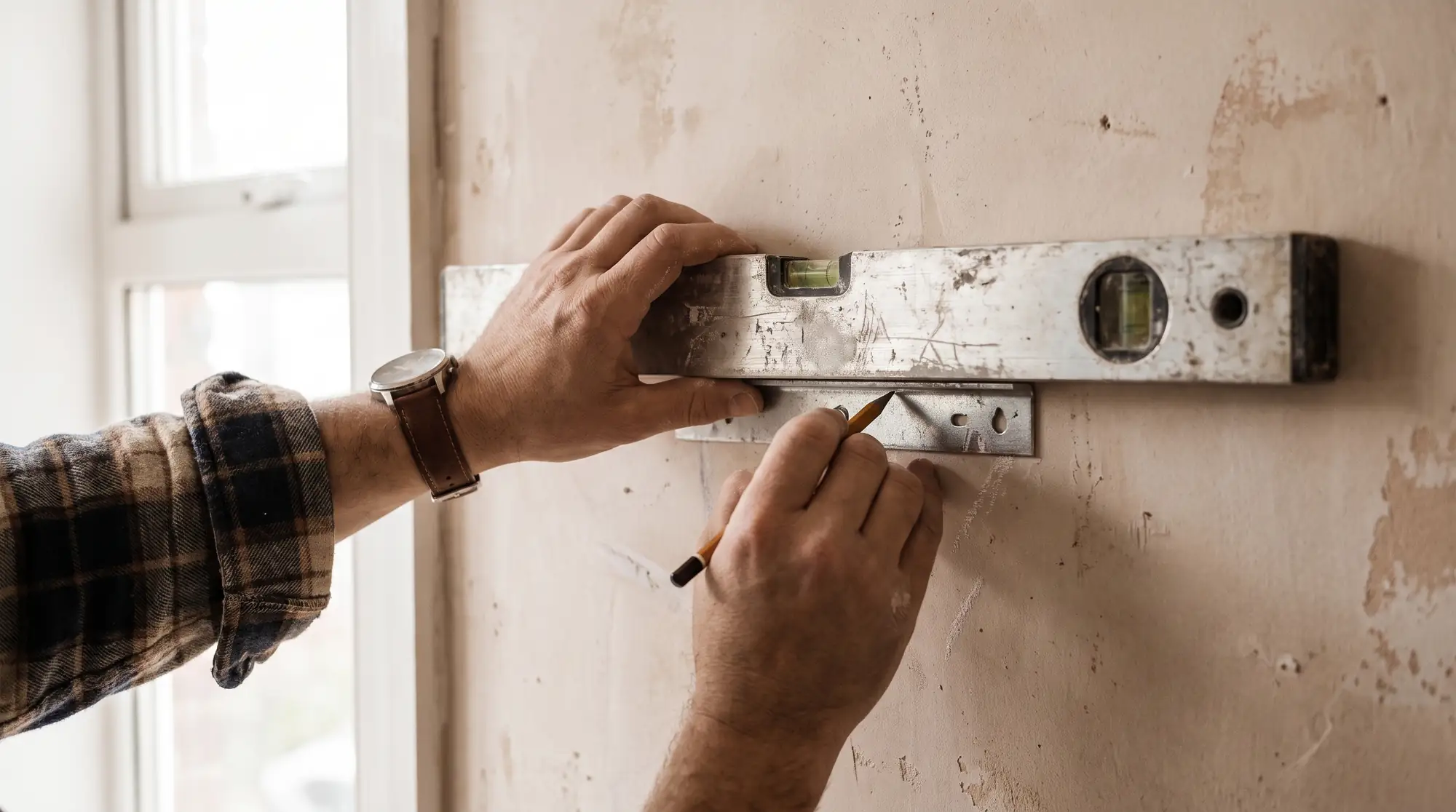
- Mounting and hanging. TVs, shelves, heavy mirrors, gallery walls, curtain rods and blinds. Older LA walls are often lath and plaster instead of drywall, which changes how it gets anchored. Say which you have when you get in touch.
- Drywall and ceilings. Doorknob holes, cracks, water stains, the mess left behind after a mount comes off the wall. Plaster repair in older homes too. That one is a different job, and we’ll tell you so before we start.
- Fans, lights and switches. Swapping a fixture, putting a fan where a light used to be, or replacing one that’s given up.
- Painting and touch-ups. A single room, a ceiling, touch-ups between tenants. Condo and apartment owners use this one constantly during turnover.
Doors, windows, floors and woodwork
- Doors. Houses settle, and a lot of LA housing has had decades to do it. Doors that stick, latches that don’t catch, hinges that sag, weatherstripping, or a new slab hung in an old frame.
- Windows and screens. Torn screens, sliding screen doors off their track, and windows painted shut.
- Floors and stairs. Squeaks, lifting boards, cracked tiles and worn treads.
- Carpentry and trim. Trim, baseboards, built-in shelving, cabinet doors that won’t close square, and fence and gate repair.
Around the house
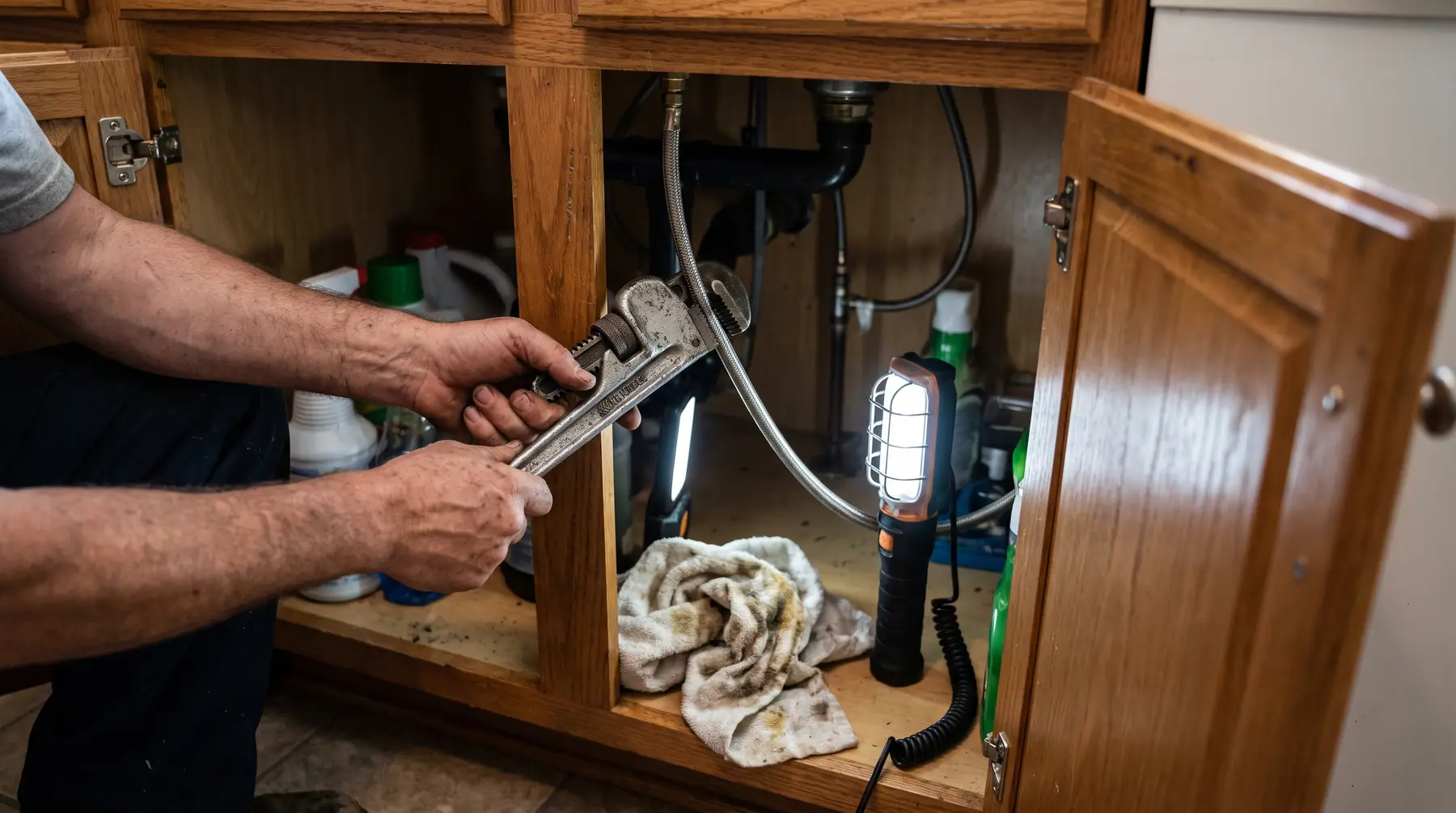
- Faucets, toilets and disposals. Like-for-like swaps where the supply lines are already there. Clear, priceable work, so long as nothing behind the wall needs opening up.
- Furniture and assembly. Beds, dressers, desks, shelving units, and tall pieces anchored to the wall. Bring the box, skip the afternoon.
- Grab bars and home safety. Grab bars, stair rails, lever handles and smoke alarm swaps, fixed into real framing.
- Gutters and exterior. Rain season here runs October through March, so the useful time to book this is September, not the first wet week of November.
How a job gets from your list to a price
- Tell us what’s on the list. Pick the jobs off the menu and answer two or three questions. What it is, how many of them, and which part of the county you’re in. A TV bracket into lath and plaster is a different afternoon than the same bracket into drywall.
- Put the whole list in one visit. Small-job pricing almost always carries a minimum charge. The drive across the county and the setup cost the same whether the visit runs forty minutes or three hours. So the door that sticks and the shelf that came down are far cheaper handled in one afternoon than a month apart.
- You get a price before anything starts. What the job involves and what it costs, confirmed before a tool comes out. Nothing begins until you’ve heard a number. And if the job is bigger than it sounded, you hear that then, not in a larger invoice at the end.
- Some jobs get turned down. If what you describe is an electrician’s work, or a roofer’s, you’ll hear that up front instead of after we’ve driven out to look at it.
What the license rule covers
Most of what’s on the menu above costs well under $1,000. Mounting a TV, hanging a mirror, patching drywall, swapping a faucet, clearing gutters, assembling furniture. That is the small, low-cost end of the work the exemption is aimed at. Whether the exemption applies turns on the rest of its conditions, not on the job alone. The exemption is narrow, so it is a fair thing to ask about.
Once a job reaches $1,000, or needs a building permit, it needs a licensed contractor instead. Someone licensed for that work, at that trade’s rate.
What’s behind your walls changes the job
Older, pre-war houses here are often plaster over wood lath, not drywall. That changes how things get anchored and what the job costs, so say which you have. More on plaster walls.
Say so if you rent, too. A bracket, a curtain rod, a shelf anchored into old plaster all leave holes a landlord will notice, and across the high-turnover parts of the county that is a deposit question as much as a repair question. Sometimes the better answer is a no-drill option, or a word with the building before anything gets drilled at all.
What’s not on the list
Saying no to things is more useful than claiming everything.
- Electrical beyond a fixture swap. New circuits, panel work, a rewire. That is a licensed electrician.
- Plumbing beyond a like-for-like swap. A re-pipe, a slab leak, anything opening up a wall. Licensed plumber.
- Roofing. Leaks, flashing, a re-roof. That is a roofer’s job.
- Structural work, permits, HVAC, tree work, whole-house repaints and remodels. All real trades, none of them a two-hour job.
- Sanding or disturbing paint in a home built before 1978. Lead paint rules apply, and a lot of LA housing is old enough for them, so this comes up often. It needs someone certified, not a handyman with a sander.
If your job is on that second list, tell us anyway. Saying which trade it is costs nothing and saves you a wasted afternoon.
Before anything is booked
You get the price first, not the invoice
Small work goes vague over the phone. The weight of what is going up, the model of the mount and what the wall is made of answer most of it, and that is the difference between a price that holds and one that moves once we are in your hallway.
If what you describe is an electrician’s job, or a roofer’s, you hear that up front, not after we have driven out to look at it.
Before you book
What people ask before they let us in
- How do I know what it will cost?
You get a price for the visit before anything is scheduled, and nothing is booked until you have agreed to it. The price bands for each kind of job we take on are published on this site, so you can work out roughly where you sit before you speak to anybody.
See what things cost- Will the whole list get done?
That is the point of sending it as a list. Several jobs from the list can go on one visit, and the drive costs the same whether it is one job or six. Four separate service calls is four times the travel and four prices.
The twelve we take on- What if it turns out to be bigger than it looks?
Then we say so, before you have paid for a visit. Anything needing a permit, and panel work, gas lines, main drains and structural work, is work for a licensed contractor, not a handyman visit. Telling you which trade it is costs you nothing.
How a job runs
Where we work
Across Los Angeles County
What the walls are made of changes street by street in this city, and it changes the job.

Send us the list
However long it is. You get a price for the visit before anything is booked.