Los Angeles County, California
Window screen repair and replacement in Los Angeles
Window screen repair and replacement across Los Angeles: torn screens rescreened, bent or missing ones made new to order, plus sliding screen doors and the windows behind them. Say what each window is doing and roughly when the house was built, and you get a price before anything is scheduled.
The price in writingAgreed before anything is scheduled
One visit, several jobsThe drive costs the same either way
No surprise when we arriveThe number holds unless the wall says otherwise
Across Los Angeles CountyFrom the Valley to the South Bay
What the job looks like
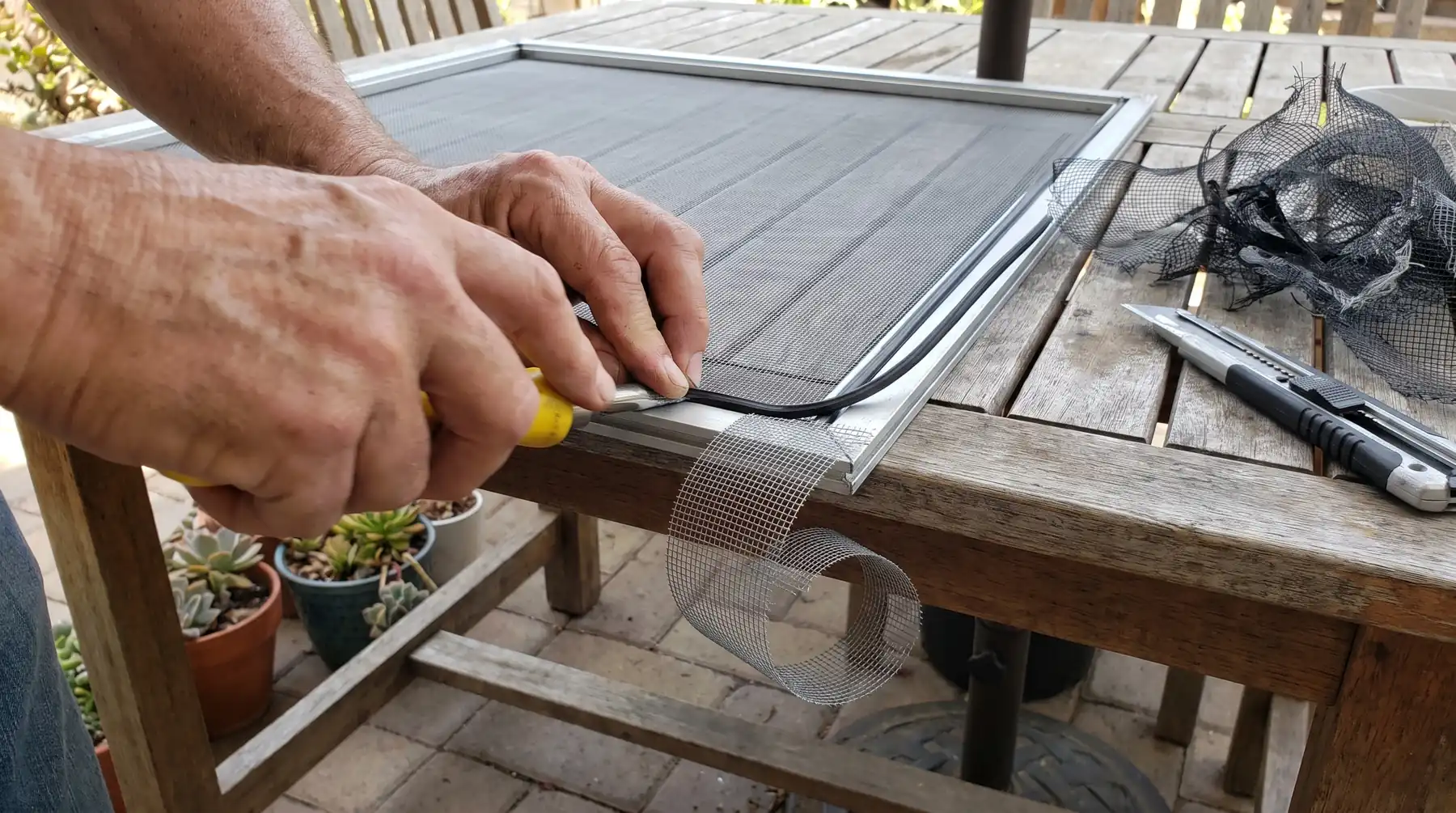
Window screen repair and replacement, close up
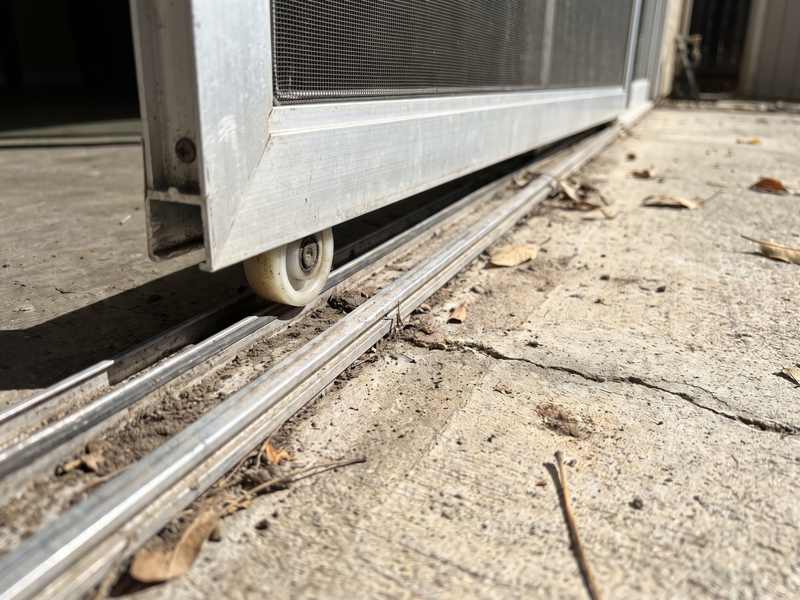
Sliding screens jump the track when the rollers wear or the channel fills. Both are cheap to fix. 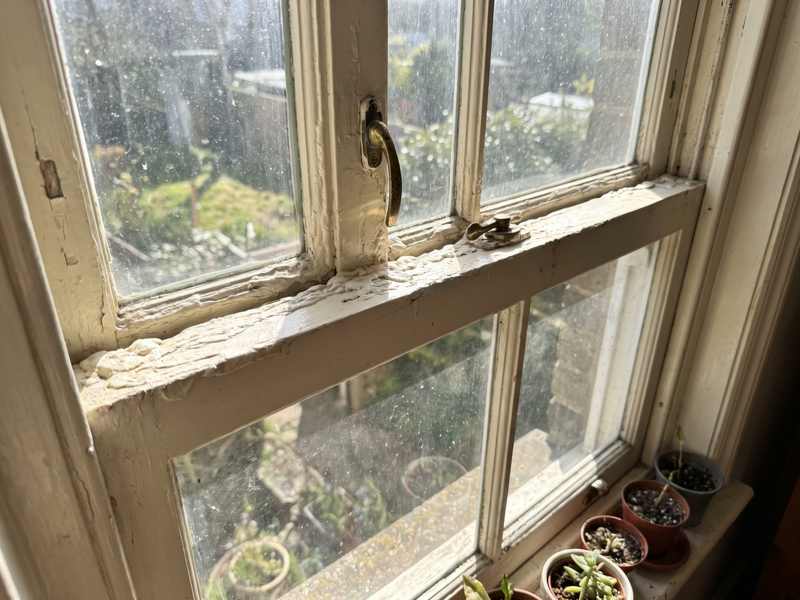
Pre-war sashes get painted shut over decades. Cutting one free is careful work on paint that may be lead. 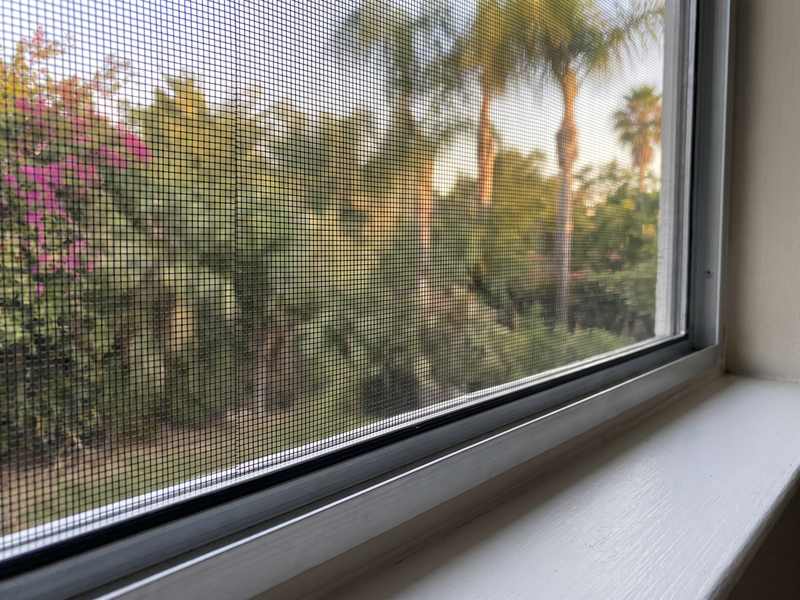
New mesh, splined evenly all the way around, and the frame back in its channel.


From our advice notesRepair or replace a window screen: how to tell
A torn or bent screen can usually be rescreened in its own frame. When it can’t, a replacement screen gets made to order for the opening. The windows behind the screens come next, and most Los Angeles windows are one of three kinds, each failing its own way: wood double-hungs that stick or rot at the bottom rail, steel casements that rust until the sash binds, and aluminum sliders that die in the track. Say which you have and how old the house is, and the price comes back close to real.

Screen repair or a replacement screen
Fiberglass mesh on a west exposure in the Valley goes chalky in five to eight years, then tears at the spline the first time a dog leans on it. Aluminum holds up longer and holds its shape, though it dents and it chalks white near the coast. Where a dog is the problem the answer is vinyl-coated polyester, the heavy pet mesh. Solar mesh is a common Valley retrofit and takes real heat off an afternoon room.
Santa Anas take screens off the house. An unlatched screen gets pushed out and lands in the planter, and the corner keys loosen on impact, so the frame goes out of square and won’t sit back in the opening even with the mesh intact. That decides the job. A frame that is still square with tight corners gets new mesh and new spline. A racked or bent one gets a replacement screen built to the opening, which costs less than fighting the old frame straight. How to tell whether a screen needs repair or replacement goes through it in more detail.
Sliding screen door repair and replacement
Most LA patio assemblies use a bottom-rolling screen door on adjustable rollers. Rollers flat-spot. The sill track gets dented flat where people step on it. Mesh is what holds these doors square, so once it stretches the frame racks. A bowed bottom rail costs more to rebuild than a door screen replacement made to order, and you should hear that early. If the glass door behind it is the one that drags, that is the patio door rollers and tracks, priced on a page of their own.
The window behind the screen
Wood double-hungs in pre-war houses
Bungalows and Spanish houses from the 1900s through the 1930s run on fir sash hung on cord over a pulley, with a cast-iron weight in a pocket inside the jamb. The cord snaps on the lower sash first, since that’s the one that gets worked and the cord saws over the pulley every time it moves. Re-roping a lower sash means pulling the interior stop bead and nothing else, and plenty of LA jambs were built with no access pocket at all, so one gets cut in and patched back.
Painted shut is rarely one bad paint job. It’s four or five layers bridging the sash to the beads, with an interior coat done while the window was shut. Freeing it means scoring both faces and breaking the exterior seal from outside, which on a second story means a ladder.
Steel casements in 1920s and 30s houses
Hot-rolled steel sash shows up all over the Spanish, Deco and Streamline stock. These don’t wear out. They rust, and rust takes up more room than the steel it came from, so the sash swells until it binds in its own frame, usually along the hinge side first. A window that needs a shoulder to close is telling you that. Adjustment does nothing here. The fix is a wire wheel down to bright metal, rust converter and paint, fresh putty, and a stay or crank rebuilt or matched. Matching units are hard to find and expensive, so these get repaired in place. Say if you have them, because it changes the price more than anything else on this page.
Aluminum sliders in 1970s and 80s stock
Mill-finish sliders fill the apartment stock in Palms, North Hollywood, Van Nuys and Long Beach. People blame the rollers, and the rollers are a symptom. Dust and stucco sand pack the sill track until the roller skids instead of rolling, and the soft aluminum wears a groove. New rollers in a track already worn through feel better for a month, so a galled track gets a repair cap first.
When the opening has racked out of square
Hillside lots in Echo Park, Mount Washington and the Hollywood Hills sit on cripple walls over slope, and slope creeps. The opening racks and the sash stays a rectangle. The signature is a window that binds in one part of its travel and runs fine through the rest. Measure both diagonals of the opening: more than about a quarter inch between them is framing trouble showing up at the window, and a new sash forced in breaks too.
Bedroom windows, patio glass and blind cords
A bedroom window has to stay openable from inside without a key or a tool, so bars and limiters go on only after a check. The pane beside a patio door often has to be safety glass, and in older apartments it often isn’t. Whatever replaces it is glass work, which is its own licensed trade. Corded blinds from twenty years ago usually can’t be matched off the shelf any more, so expect a cordless replacement.
Pre-1978 paint and pre-1980 putty
Scraping or planing a painted sash in a pre-1978 house can disturb lead paint, and replacing a window in one brings the federal lead-safe rules in however small the job looks. Glazing putty and window caulk in pre-1980 buildings are asbestos suspects, so nobody should chisel old putty out without a test. Tell us the year built. It changes how the work area gets set up, and it belongs in the price.
What it costs
These are estimates. The work is priced around the visit as much as the unit, so one screen alone lands near the visit minimum while six on the same trip cost far less each. You get a firm price before anything is scheduled.
- Rescreening an existing screen frame$45–$95per screen
- Replacement screen, made to order (frame and mesh)$65–$150per screen
- Sliding screen door rollers and track adjustment$110–$250per door
- New sliding screen door, made to order and installed$190–$450per door
- Freeing a painted-shut wood sash and getting it working$150–$350per window
- Sash cord or chain replacement on a weight-and-pulley window$175–$425per window
Where the license line sits
Screens and screen doors, rollers and tracks, sash locks and casement cranks, weatherstripping, freeing a painted sash, sash cord and balance work, blinds and shades. Those usually sit under the line on price, and price is only one of the conditions. Replacing a whole window unit is a different animal: it is licensed, permitted work, and we tell you so before anything is booked. Glass in a hazardous location, a racked opening and pre-1978 window replacement are work for a licensed contractor.
What to tell us
Year built first. Then how many openings, and what each one is: wood double-hung, steel casement, aluminum slider, awning, vinyl retrofit. Say what each is doing in plain words. Won’t open, falls shut, won’t lock, rattles, screen torn, door off the track. For screens we need the outside dimensions of the frame and the frame thickness. Say if it is a bedroom window, how you would reach it, and whether you rent.
Photos help more than anything: the whole window from inside, then close in on the corner of the sash or the screen frame. Add them to the form when you send it as one list, and you get a firm price before the visit is scheduled.
Where we work
Across Los Angeles County
What the walls are made of changes street by street in this city, and it changes the job.

Send us the list
However long it is. You get a price for the visit before anything is booked.